Full filmOpen on Vimeo
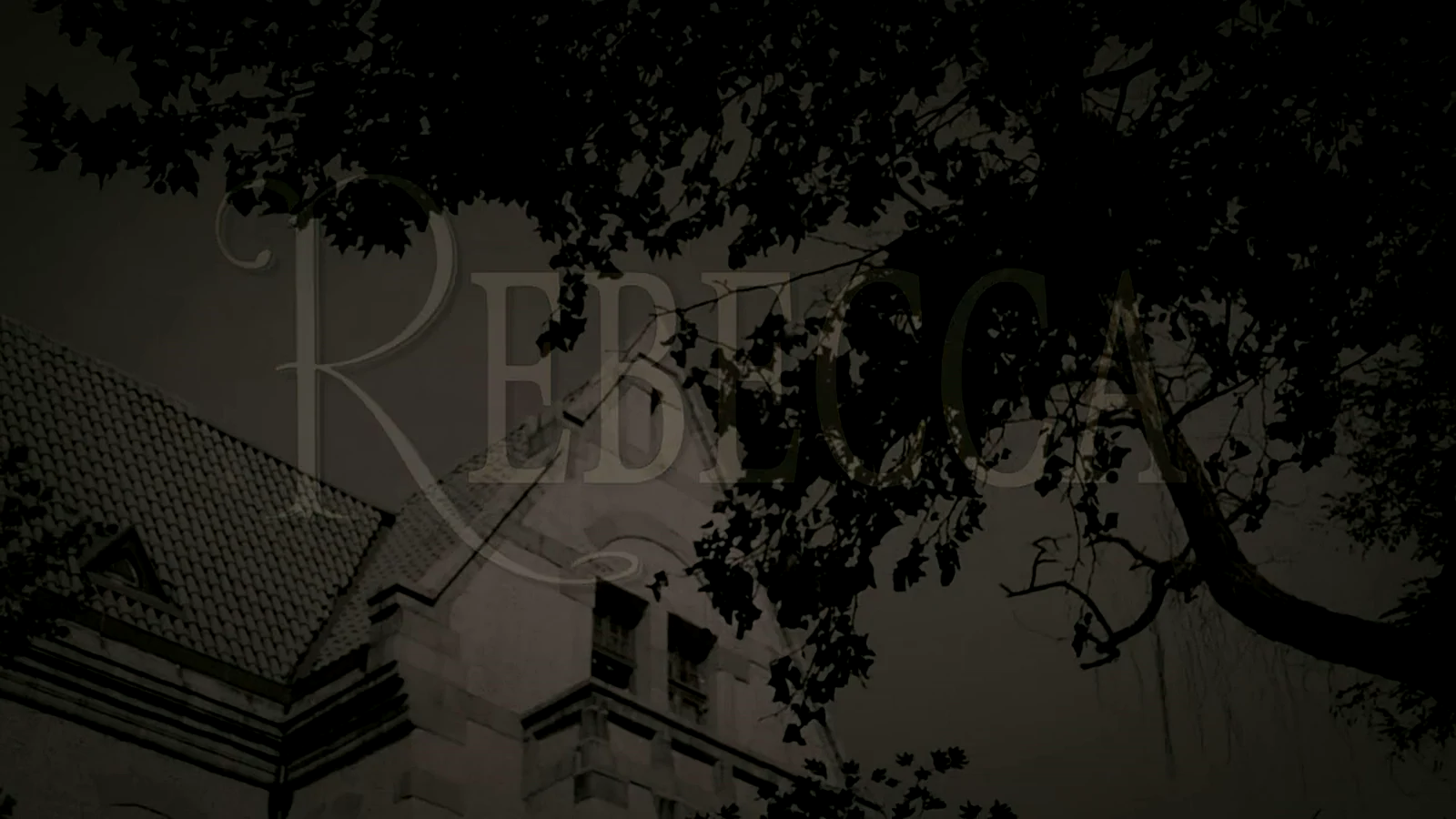
Film title sequence study
Rebecca
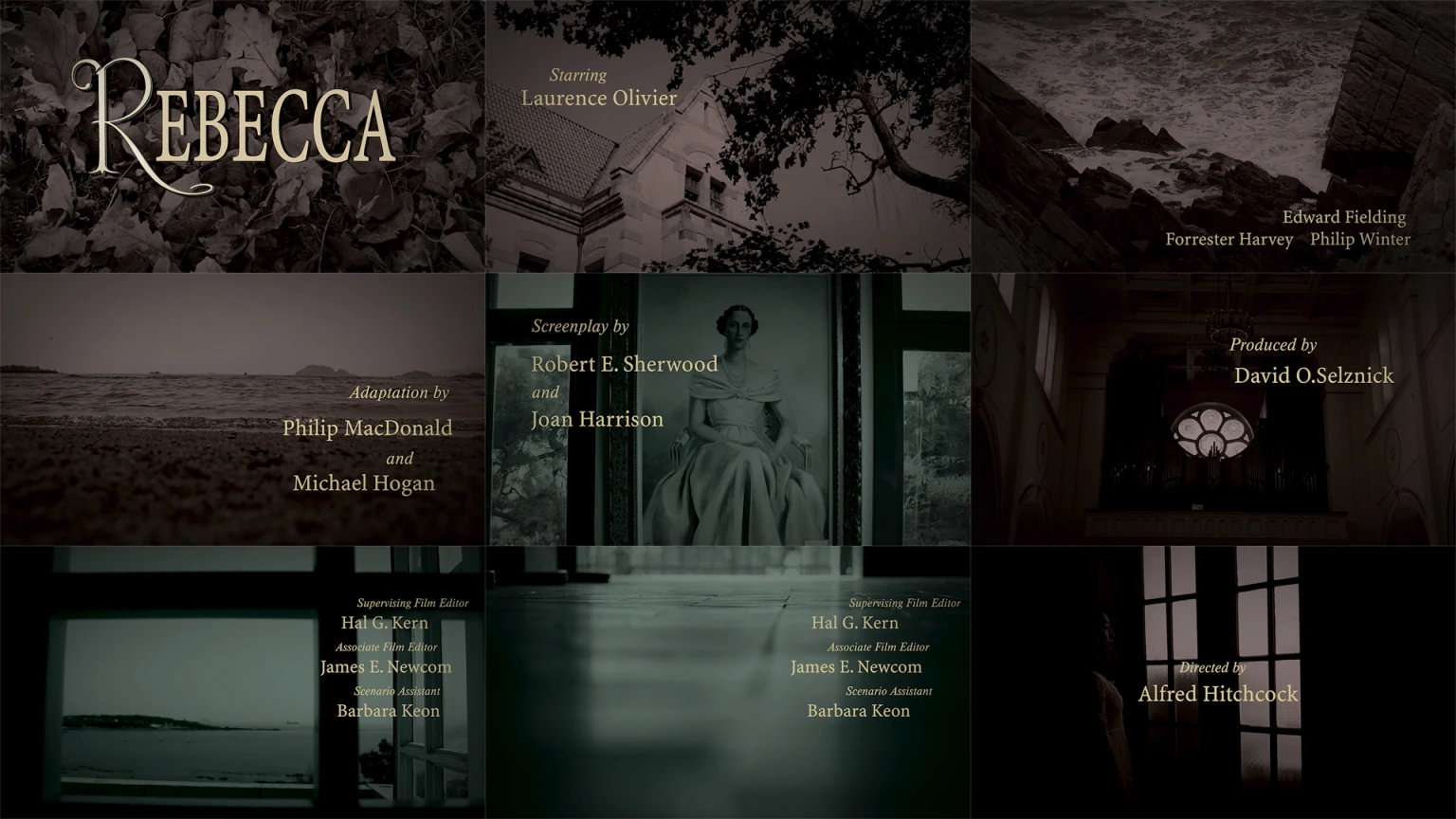
A title-sequence study where typography, shadow, and pacing rebuild Hitchcock suspense as contemporary motion language.
Work notes
A title-sequence reinterpretation developed through reference research, adaptation logic, typography, location shooting, and final scenes.
Context
The project reinterprets Hitchcock's Rebecca as a title/opening study rather than a plot summary.
Approach
It preserves suspense by avoiding direct plot reveal, using mood, typography, music, and silhouettes to carry the trailer language.
Output
The completed sequence combines reference research, adaptation logic, typography, location shooting, and final scenes.
Film
Reference images remain in their original research context and are not presented as Ben Ma's authored artwork.
Rebecca
November 2020
Title-sequence reinterpretation
Original overview
This project reinterprets the title sequence of Alfred Hitchcock's 1940 film Rebecca. It preserves the original's suspenseful restraint while using contemporary motion techniques to create a clearer, more deliberate sequence.
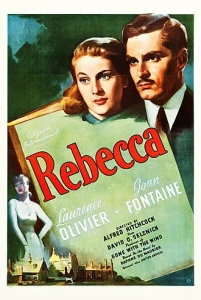
Alfred Hitchcock likes to let the audience discover important plots when they watch the climax of the movie, so I also followed this point when I adapted Rebecca’s movie trailer. The background music, the color of the screen and the choice of font are all to match the style of movie trailer released in early 1940. This is also an assignment of MOME709, which takes about 3 weeks to make.
The assignment was to adapt the opening title of a movie, not to remake it, so I used some of the 1940 version.
Survey
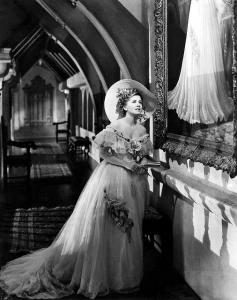
Source credit unavailable in the archived page
Rebecca is a 1940 Gothic romantic psychological thriller directed by Alfred Hitchcock. The story follows a young woman who marries widower Maxim de Winter and enters a household still dominated by the memory of his first wife, Rebecca.
Rebecca received eleven Academy Award nominations and won two: Outstanding Production, now Best Picture, and Cinematography (Black-and-White).
In 2018, the film was selected for preservation in the US National Film Registry by the Library of Congress as “culturally, historically, or aesthetically significant.”
Concept
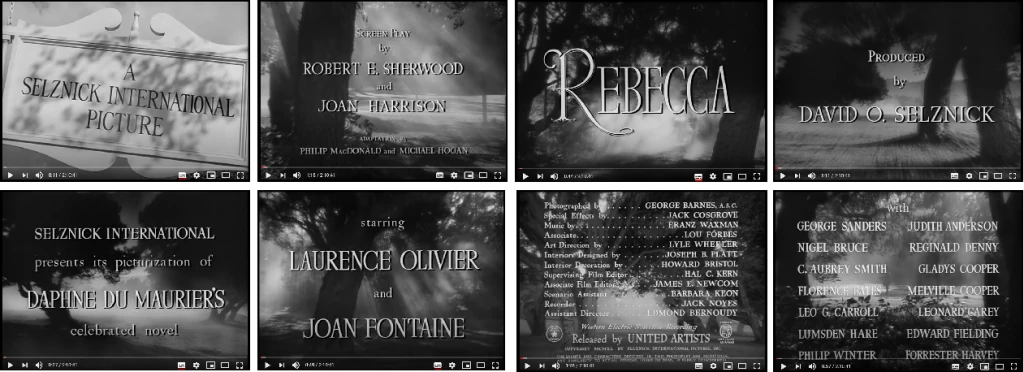
The original title sequence withholds narrative detail, relying on trees and a dark tonal register to establish suspense. My adaptation preserves that restraint while introducing a broader set of visual motifs.
I replaced the repeated tree imagery with silhouettes of a church, the sea, and a woman, while retaining the black-and-white palette. These motifs suggest the film’s world without disclosing specific plot points.
Moodboard
Source credit unavailable in the archived page
Typography
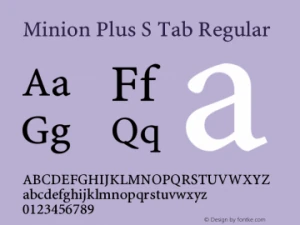
The typography echoes the 1940 film's period character without overpowering the imagery. A decorative serif face, compact scale, dark lettering, and pale title cards keep the credits legible while preserving the sequence's restrained, suspenseful tone.
Shooting process
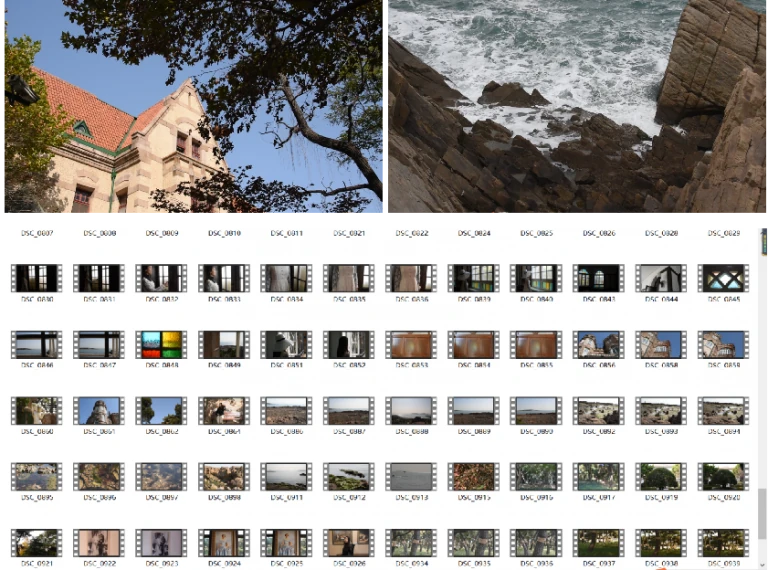
Because suitable European-style architecture and coastal scenery were unavailable locally, I shot the sequence in Qingdao. A historic seaside villa and nearby cliffs provided the architectural and landscape references needed to evoke Rebecca's setting.
Final scenes